
How to Search St. Charles Parish Civil Dockets
For a 29th JDC civil case, begin with the St. Charles Parish Clerk Public Records Search. The live form sits behind an AWS web-access challenge. Its filters, coverage, image access, fees, and update schedule all need confirmation from the Clerk. An exact case number is your best query. When a party name pulls up matches, write down the caption, filing date, division, case type, and status before requesting the full record.
Two statewide tools add support. LCRAA and eClerks cover participating clerks and list civil information in their published description. But both require an account. They never substitute for local confirmation. Also note that a low-value claim, eviction, or possession matter may belong to one of the parish's seven JP offices. If the case was appealed, that appellate record lives apart from the original civil file in the 29th JDC.
- Identify the court on the petition, citation, notice, or prior order and copy the case number exactly.
- Use the Clerk Public Records Search for a 29th JDC civil matter, or call the responsible JP for a lower-court case.
- Search an eClerks account only for the participant and record type offered through that service.
- Read entries in date order and compare the newest setting, minute, or order with earlier filings.
- Ask the Clerk for an image, plain copy, certified copy, conformed copy, or minute entry when the online result does not provide the needed record.
St. Charles Parish Civil Docket Allotment
In the 29th JDC, every new civil case goes to Division C, D, or E the moment it is filed. The Clerk handles the assignment. It is random, by machine, or by electronic draw. The lists go to the court each month, so no party gets to pick a preferred division. Keep that division handy when you ask the Clerk about a setting, a minute entry, or a document.
Allotment also guards against a common docket search error. Two cases can carry nearly identical party names. The division, filing date, caption, and case number still tell them apart. Read each result as one specific civil file rather than a loose name match. When a record is not online, give the Clerk the division and the full case context.
Want a wider view of remote access? LCRAA's official overview lays out the framework that participating clerks use to share records.
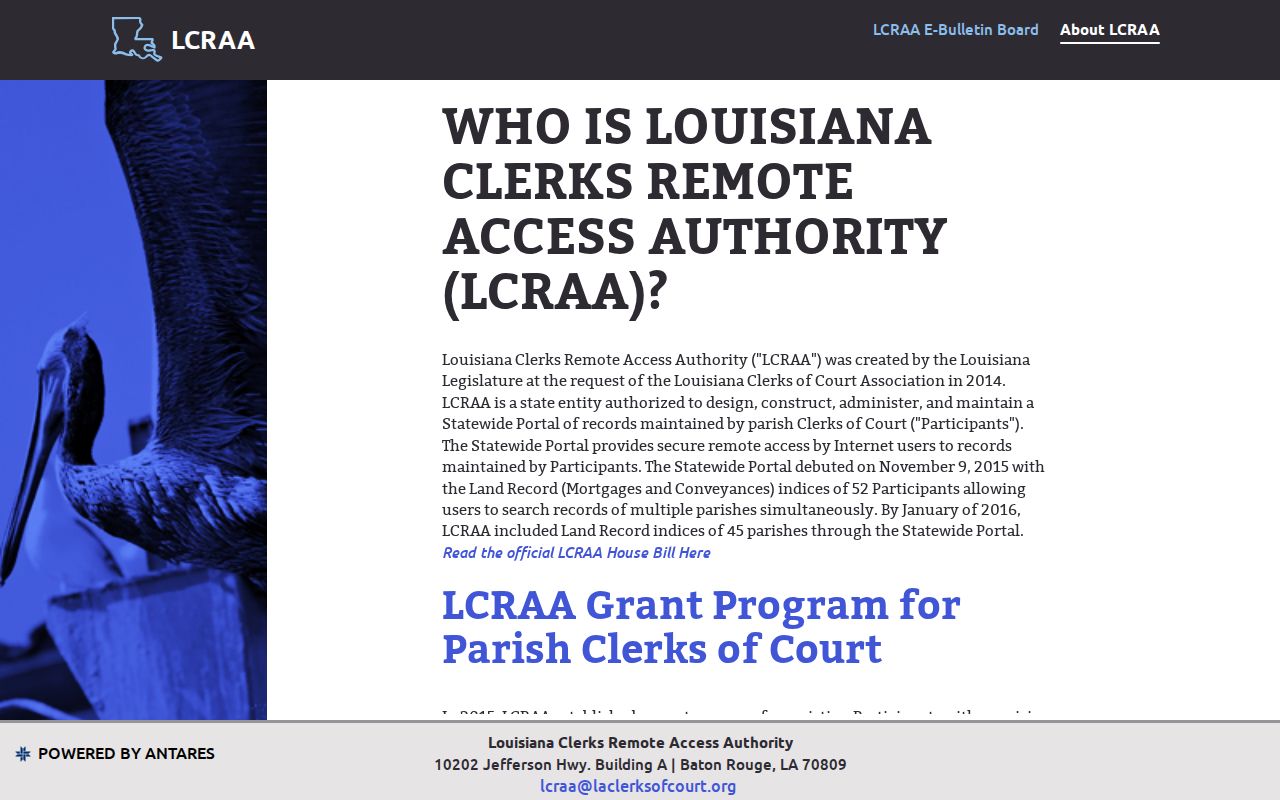
That framework serves participating records well. Civil allotment and custody of the original files, though, stay with the St. Charles Parish Clerk.
What a St. Charles Parish Civil Docket Shows
Think of a civil docket as the court's running event log. It carries the suit number, caption, division, filing date, case type, parties, attorneys, service activity, motions, orders, hearings, and judgment. St. Charles Parish publishes no public civil register. So treat the field inventory here as a guide to what a live case will contain, not a promise of exact software labels. Documents beyond the index may exist in the full court record.
Read the order of events closely. A petition opens the case. But service, an answer, exceptions, discovery, and motion practice all steer what comes next. A notice of setting is not a judgment. A filed motion is not a granted one. A later signed order or minute entry can bump an earlier date. It can also reveal that a case was consolidated, dismissed, settled, or appealed.
| Header | Suit number, division, filing date, judge, case type, status, and caption. |
|---|---|
| Parties | Plaintiff or petitioner, defendant or respondent, and any intervenor or third-party demand. |
| Service | Citation issued, service return, and any personal, domiciliary, or publication status. |
| Motions and orders | Exceptions, discovery, protective orders, notices of setting, signed orders, and rulings. |
| Judgment | Default, agreed, final, nonsuit, dismissal, satisfaction, execution, or appeal entry. |
St. Charles Parish JP Civil Docket Boundary
A JP shares civil jurisdiction with district court. This applies when the amount in dispute stays at or under $5,000, not counting interest, costs, attorney fees, and penalties. JPs also handle certain possession-of-movable-property claims and residential evictions under statutory rules. These are lower-court dockets kept by each JP office, not by the St. Charles Parish Clerk. The Clerk holds the original district-court files.
Subject-matter limits still bite. Title to immovable property, divorce, custody, support, successions, adoptions, partitions, and the other subjects named in La. C.C.P. art. 4913 stay outside a JP's reach. A case that starts with a JP can later produce an appellate record in the 29th JDC. Check the caption's court before picking a search channel. The LCRAA account portal reaches participating records but does not combine every JP file into one docket search.
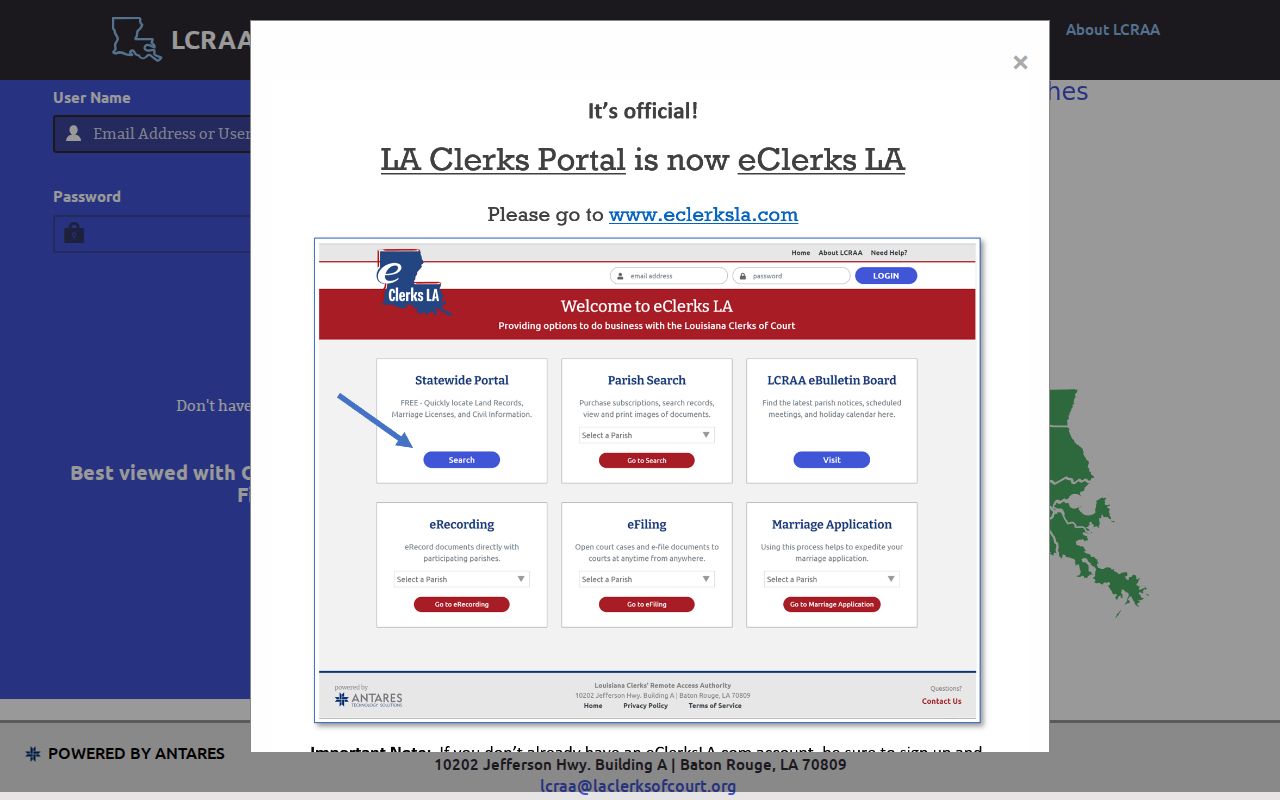
That account gate is exactly why a St. Charles Parish civil search sometimes needs a direct call to the Clerk or the JP office itself.
St. Charles Parish Civil Docket Case Types
Major and general civil matters, family and domestic cases, probate and successions, and other district-court civil proceedings all run through the 29th JDC. The Clerk manages these court records. The case type on a civil docket gives context, letting you make sense of the parties, filings, settings, and eventual judgment. Even so, protected information or sealed filings may stay out of public view. The case itself can still appear in court records.
Case type also routes your request. An eviction or small civil matter may sit with a JP. A larger or excluded matter points back to district court. The official parish profile lists no incorporated municipal court. A community name alone never signals a separate civil court in St. Charles Parish.
- Contract, debt, property, injury, and other general civil claims in the 29th JDC.
- Family or domestic proceedings kept with the district court, subject to public-access limits.
- Succession or probate matters within the Clerk’s district-court custody.
- Limited civil disputes that may fall within JP jurisdiction.
- Residential evictions and movable-property matters subject to JP statutory rules.
St. Charles Parish Civil Jury Docket
Civil jury work in St. Charles Parish has a price tag. A party who wants a jury must deposit $2,000 in cash. The deadline is at least 30 days before trial. The motion to set must state the estimated trial length. Skip that, and the judge assigns a ten-day estimate. The Clerk and jury commissioners draw the venire 30 days before trial. Those entries can cluster around the setting. The newest signed order still controls the live trial date. Not every civil case gets a jury setting. Even so, a St. Charles Parish civil docket can show jury costs or scheduling activity well before trial. A continuance or reset may push the date. Confirm the newest minute entry with the division or Clerk rather than trusting an older calendar notice. For another route, the eClerks LA Statewide Portal offers account-gated access to participating civil information.
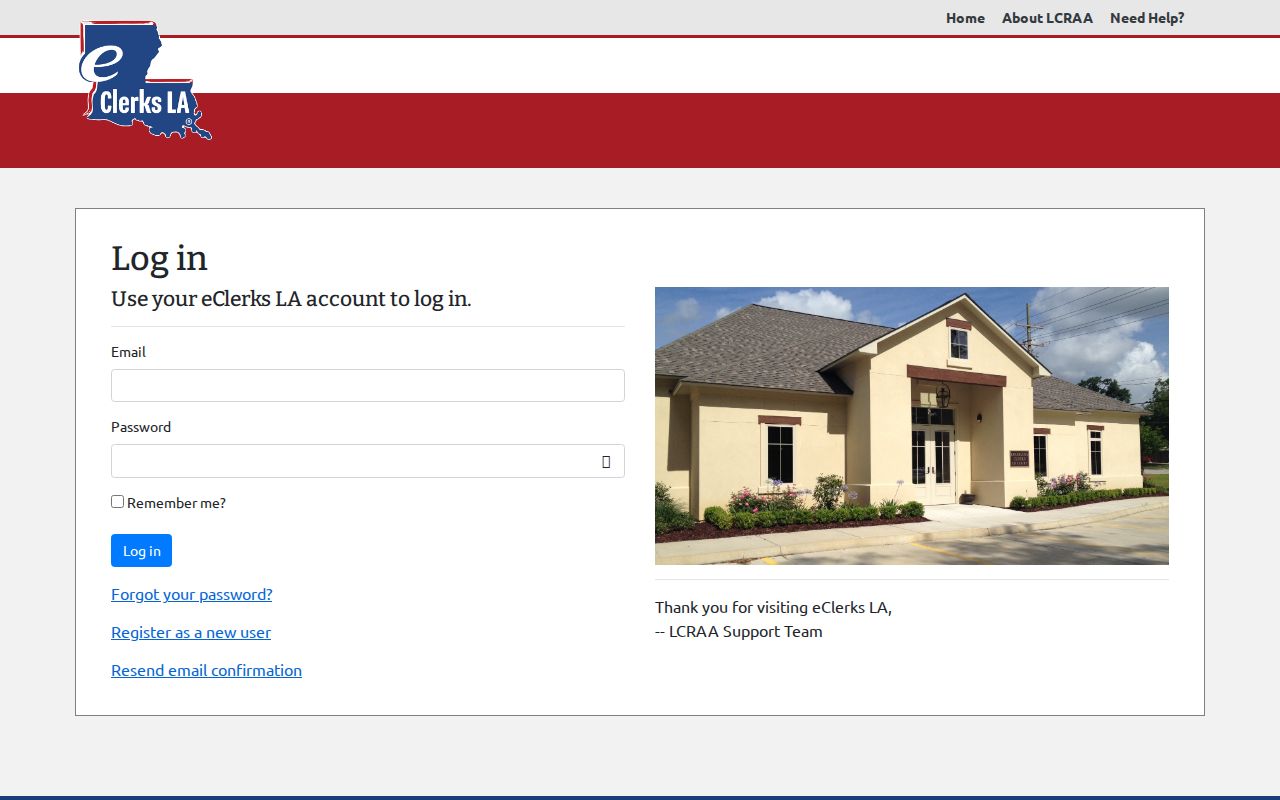
A login is only a login. It does not prove that a particular St. Charles Parish civil image, setting, or jury record is actually available online.
St. Charles Parish Civil Docket Settings
Read any civil setting by its parts. Date, time, division, event type, and reset history all matter. A St. Charles Parish civil docket may list a status conference, motion hearing, trial setting, notice of setting, or a continuance. The court's current judge pages name the civil minute clerks, court reporters, assistants, and other division staff. That makes the division a practical follow-up. Use it when a court date must be checked against the most recent filed event. Approved audiovisual proceedings follow the local rules. The judge pages also state that Zoom attendance needs prior written authorization. A docket entry will not show a remote-attendance request. The Clerk can locate a record and clerk-held notice. For an active trial-call or courtroom question, the division is the better contact.
St. Charles Parish Protective Order Dockets
Protective orders leave their own mark on a St. Charles Parish civil docket. Local rules allot them randomly. A later divorce suit between the same parties may be consolidated. The protective order stays active. That can move related filings somewhere new. So check the caption, the division, and the newest order first. A related civil case may exist under a different roof. It may not be missing at all. Protected information is not the same as sealed documents. A public docket result can name an event yet withhold sensitive content or identifiers. Ask the Clerk which rule or order restricts the record. Never gauge a protective order's scope from a search result alone. The access side rests on statute. La. R.S. 13:754 builds the LCRAA remote-access framework for participating clerk records.
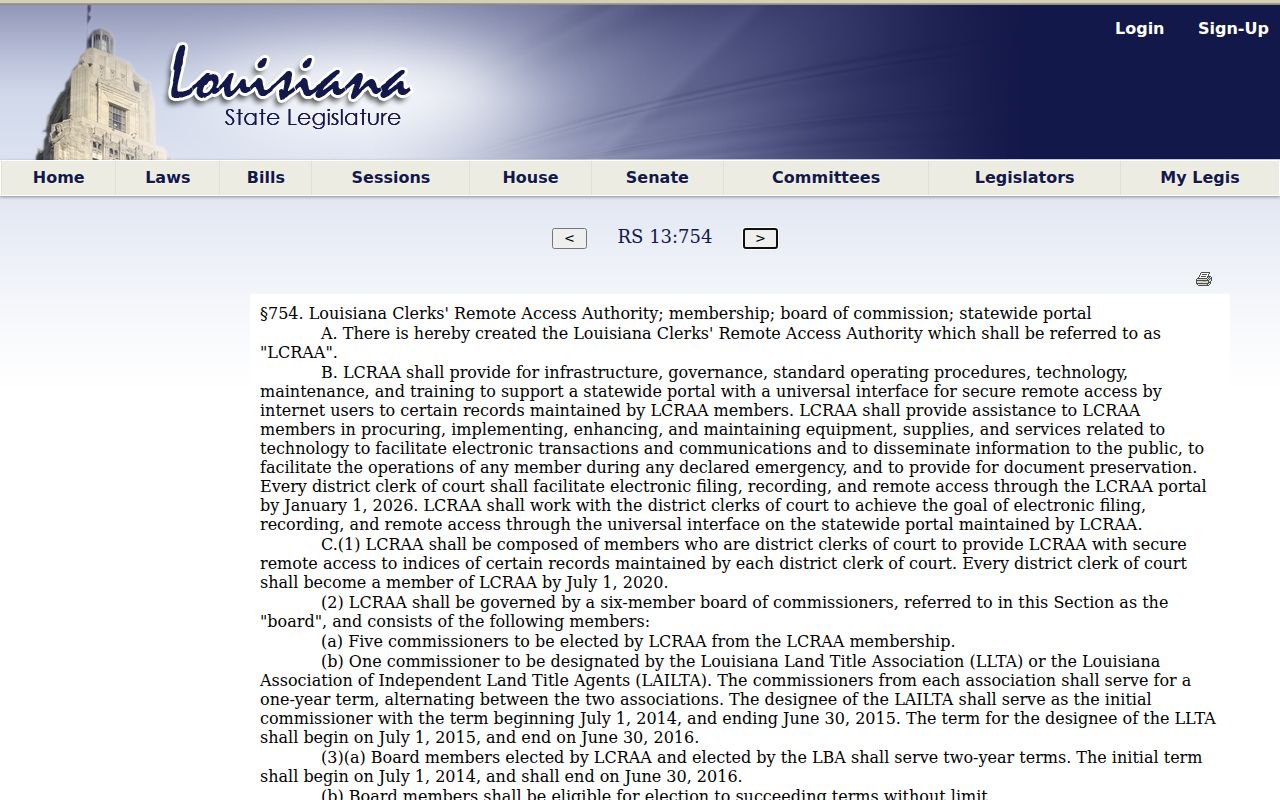
The framework permits remote service, yet local limits hold.
Public Access to St. Charles Parish Civil Dockets
Louisiana law vests the Clerk with court records. The public may generally examine and copy them during required office hours. Legal exceptions apply. A public civil docket is not a promise of online images. Older files, sealed materials, protected information, and materials covered by an order can require a Clerk request or a different access path. Empty online results mean something else. The record may sit with a JP office, hit a portal limit, or be restricted by law. For a lower-court JP file, contact that JP office. For an appeal, use the Louisiana Fifth Circuit record route. If access is denied, ask for the legal basis. Also ask whether a nonexempt portion can be produced. A plain copy or index often serves personal case tracking, while a certified copy is the clerk-authenticated record an entity may expressly require.
Key rules:
La. C.C.P. art. 251 makes the Clerk the court-record custodian and provides for lawful examination and copies.
La. R.S. 44:31 provides for public-record inspection or copying unless an exception applies.
Rule V, Section 5 governs materials filed with a motion to seal and the effect of the court’s ruling.
St. Charles Parish Civil Docket Copies
A docket entry names the paper. The Clerk supplies the actual civil record product. Fees have statutory ceilings. A civil copy runs $1 per page, certification adds $5, a conformed copy costs $3, and a minute entry is $5. The Clerk may charge less. No local electronic-image fee or payment method is posted, so confirm the total, document availability, and mailing instructions before sending funds. Make the request precise. Give the suit number, caption, division, filing date, document title or event date, and the copy type you want. The counter sits at 15045 River Road in Hahnville. Mail can go to P.O. Box 424, Hahnville, LA 70057 after you confirm the request at (985) 783-6632. Older civil jackets hide sometimes. Ask whether a bound docket, archive, microfilm, or off-site file must be searched. For the official civil-clerk fee authority on these copy categories, see La. R.S. 13:841.
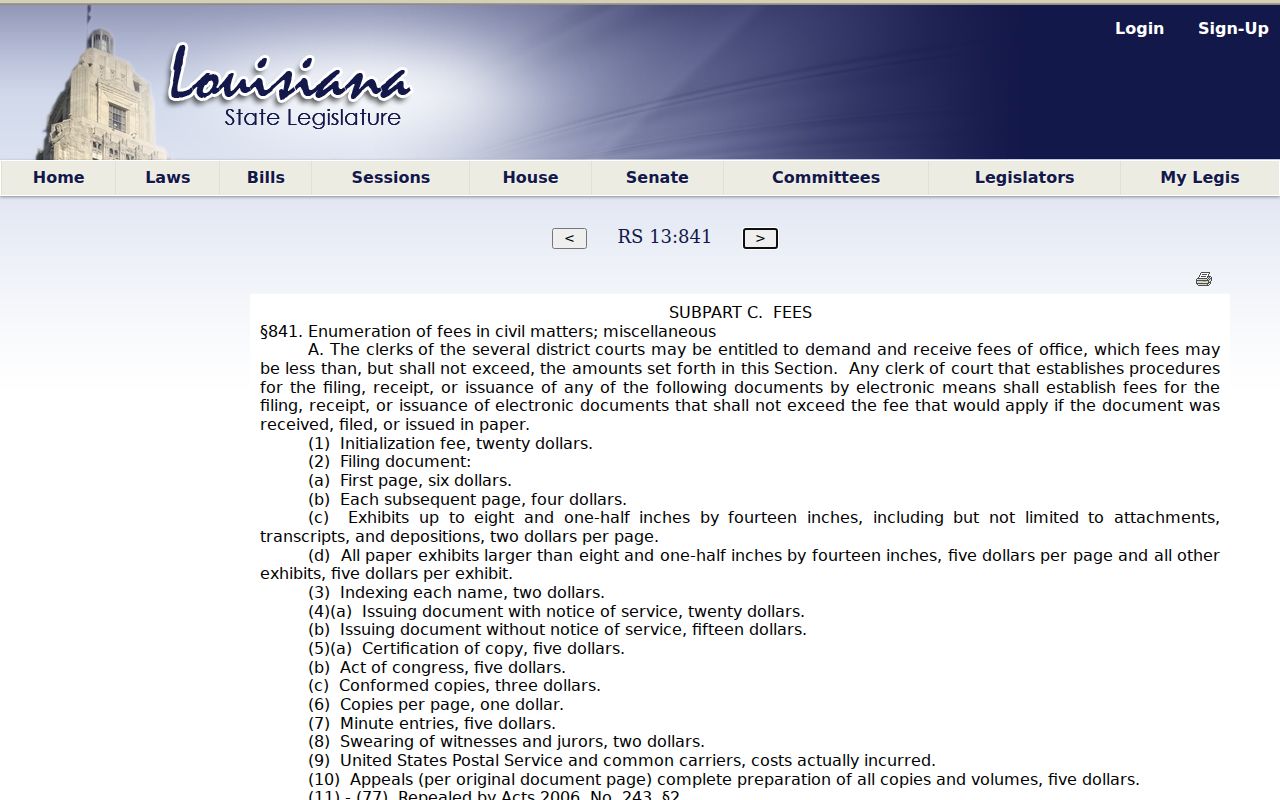
The statute sets ceilings, not exact bills. The Clerk should confirm the current amount before a St. Charles Parish civil record request is sent. A public docket result, a document image, and a certified copy are different forms of access to the same civil case record. Knowing which one you hold prevents confusion.